Cellulite creams have been around forever. At this point, they practically deserve their own skincare museum wing. Every few years, a new formula arrives promising smoother thighs, firmer skin, and miraculous “visible transformation” in suspiciously specific timelines like 7 days, 14 days, or one lunar cycle.
And to be fair, some of these creams do make skin feel softer, more hydrated, and temporarily smoother. But when it comes to long-term cellulite reduction, science keeps landing on the same conclusion: creams can only do so much.
Mostly because cellulite itself is not really happening on the surface of the skin.
Topical cellulite creams deliver only temporary effects
Most topical products work primarily on the outer layer of the skin. Ingredients like caffeine, retinol, or hydrating agents may temporarily tighten, plump, or smooth the surface, which can slightly soften the appearance of cellulite for a short period.
But once you stop using the product consistently, the effect often fades fairly quickly.
It is a little like steaming a wrinkled shirt while the laundry pile behind you continues existing at full strength. Helpful? Sure. Structural transformation? Not exactly.
This does not mean skincare is useless, healthy, hydrated skin absolutely looks better overall, but it does explain why the beauty industry has gradually shifted toward treatments designed to support deeper skin layers instead of just the surface.

What does work: technology that targets the root cause
In recent years, radio frequency skin tightening and other non-invasive body-firming treatments have become increasingly common because they focus on what is happening beneath the skin.
RF technology uses controlled warmth to target deeper dermal layers where collagen activity naturally occurs. The goal is not to “erase” cellulite overnight, but to support skin firmness, elasticity, circulation, and texture gradually over time.
Some devices also combine massage and vacuum stimulation, which may help improve circulation and temporarily reduce puffiness or fluid retention that can make uneven texture look more noticeable.
In other words, the approach is less “cover it up” and more “support the skin where cellulite actually forms.”

Why At-Home Technology Changed the Conversation
For a long time, treatments like radio frequency were mostly associated with clinics and expensive appointments. Now, at-home skin tightening and lifting device technology has made these treatments much more accessible for regular routines.
Devices like Sensifirm™ combine RF energy with massage and vacuum-assisted stimulation to support smoother-looking, firmer-looking skin over time.
And honestly, part of the appeal is convenience. Many people are far more likely to stay consistent with treatments they can do while sitting comfortably at home instead of scheduling their lives around clinic visits and fluorescent waiting rooms.
Ready to upgrade your routine?
Why wait for clinic appointments? Take control of your skin journey on your own schedule.
Shop SensifirmThe Part Beauty Marketing Usually Skips
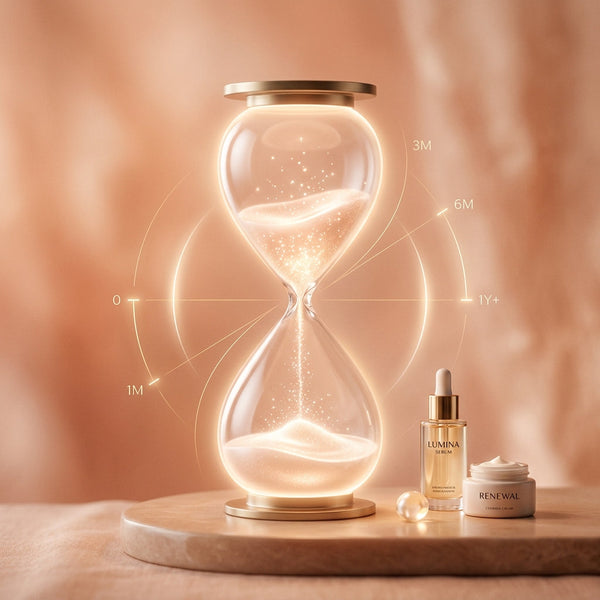
One thing the beauty industry does not always love to advertise is that collagen remodeling takes time.
Most non-invasive anti aging and body-firming treatments work gradually through consistent use over several weeks. Skin texture may start looking smoother, firmness may improve, and dimpling can appear softer, but it is usually a process, not a dramatic overnight event featuring inspirational background music.
Which is actually a good thing. Realistic expectations tend to lead to healthier relationships with skincare and body care overall.
So… Are Creams Completely Pointless?
Not at all.
A good body cream can absolutely support hydration, softness, and healthier-looking skin. It just helps to think of cellulite creams as supportive skincare rather than miracle structural treatments.
The more modern approach to cellulite care is usually layered: hydration, circulation support, collagen-focused treatments, movement, consistency, and realistic expectations all working together instead of relying on one magic product to do everything.
Honestly, that is probably much kinder to everyone involved, including your bathroom shelf.
The bottom line - cellulite is incredibly common, deeply normal, and influenced by far more than skincare alone. Which means the most effective conversations around treatment are becoming less about “fixing flaws” and more about understanding how skin actually works.
- Journal of the European Academy of Dermatology and Venereology: "The effectiveness of anticellulite treatment using tripolar radiofrequency monitored by classic and high-frequency ultrasound".
- National Institutes of Health (NIH): "Cellulite: Current Understanding and Treatment".
- PMC: "Treatment for cellulite".
- Clinical Cosmetic Investigational Dermatology: "An integral topical gel for cellulite reduction".